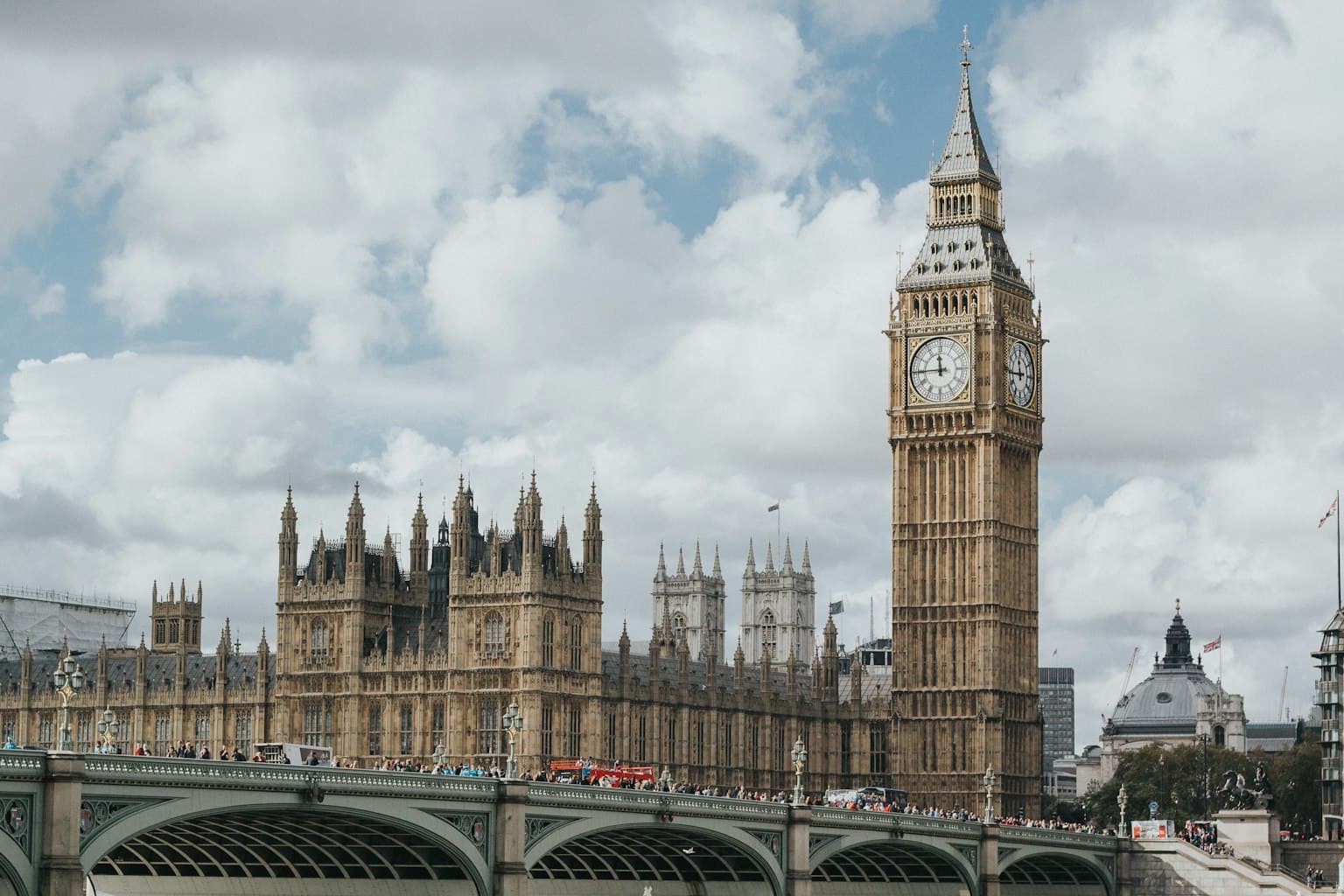
Search "best London itinerary" and you'll get the same trip a million times over. Big Ben, the Tower, Borough Market, a pub lunch, maybe a West End show if you're feeling fancy. It's a fine trip. It's also everyone else's trip. And the reason it feels slightly hollow for so many people is not that London is overrated — it's that the planning was generic.
The best version of London depends entirely on who you are as a traveler.
Think about the last trip that actually surprised you. The one where you came home and said, "That was exactly what I needed." Chances are, it wasn't because you followed the top-ten list. It was because something about the trip matched something about you — the pace, the priorities, the things you chose to pay attention to. That's not an accident. That's your travel personality at work.
At Wayfound, we've identified 12 distinct travel archetypes — patterns of motivation, curiosity, and instinct that shape what a great trip looks like for different people. Not personality types in the abstract. Concrete differences in what you'd want to do on a Tuesday afternoon in a new city. Some travelers want to understand a place. Others want to feel it. Some want to taste it. Others want to discover what's next. None of these are wrong. But they produce wildly different itineraries.
London is one of the best cities on earth to see this in action. It's so deep and so layered that there are genuinely five or six different versions of the city hiding behind the same skyline. The London a Cultural Immersive falls in love with — the back-street markets, the candlelit house museums, the neighborhoods that tourists never reach — is almost unrecognizable from the London a Bon Vivant builds around the Connaught Bar, Columbia Road, and a long lunch at Brat.
Below are five complete three-day itineraries for London, each designed for a specific travel archetype. Every recommendation is real, specific, and current. But the point is not to hand you a checklist. The point is to show you how different the right trip can be once you start with who you are instead of what's popular.
The London that lives behind the tourist version
The Cultural Immersive is the traveler who gets restless the moment a place starts feeling staged. They're drawn to texture, local rhythm, and the version of a city that residents actually live in. Their instinct is to go deeper, not wider — fewer landmarks, more real life. In London, that means skipping the greatest-hits loop entirely and building a trip around neighborhoods, hidden collections, and the kind of places you'd only know about if someone who lives there told you.
Morning at the Sir John Soane's Museum — one of London's most overlooked collections, untouched since 1837. Afternoon walking Brixton Village Market for jerk chicken and conversation. Evening at a fringe theater in Dalston.
Start at the Dennis Severs' House in Spitalfields — a silent, candlelit walk through 18th-century domestic life. Lunch in Whitechapel at Tayyabs (no reservations, just join the queue). Afternoon exploring the backstreets of Bermondsey, where South London's cultural identity is being quietly rewritten.
Morning at Leighton House Museum in Kensington — the most beautiful room in London that most tourists never see. Afternoon on a self-guided walk through Hampstead village, following Keats's old routes. Evening cooking class at the School of Wok in Chinatown.
London as a living classroom
The Lifelong Learner travels to understand. Context is part of the pleasure — they want to know why a city works the way it does, what happened on this corner three hundred years ago, how the systems beneath the surface actually function. They're the ones who read the placard, attend the lecture, and leave a museum smarter than they walked in. London, with its unmatched concentration of world-class institutions and layered history, is arguably the single best city in the world for this archetype.
Full morning at the British Museum — skip the highlights tour and go deep on the Rosetta Stone gallery and the Enlightenment Room. Afternoon at the Wellcome Collection (free, strange, brilliant). Evening talk at the Royal Institution or the London School of Economics public lecture series.
Morning walking tour of the Inns of Court — where the English legal system was invented. Lunch at the Lamb and Flag in Covent Garden (Dickens's local). Afternoon at the Science Museum's hidden upper floors. Evening at a bookshop event at Daunt Books or Hatchards.
Day trip to Bletchley Park — where the Enigma code was broken. The exhibition is one of the best in Britain. Return via the British Library to see the Magna Carta, Shakespeare's First Folio, and Beatles lyrics in one room.
The London that knows how to live
The Bon Vivant builds a trip around pleasure done well — the meal, the drink, the room, the moment where everything comes together and the city feels generous. This isn't about luxury for its own sake. It's about taste as a way of knowing a place. The Bon Vivant picks a restaurant the way other travelers pick a museum: with care, anticipation, and the expectation that it will teach them something. London's dining scene has transformed in the last decade, and a Bon Vivant's three days here look nothing like the steak-and-ale pie version of British food.
Late breakfast at The Wolseley on Piccadilly. Mid-morning browsing at Fortnum & Mason and Liberty. Long lunch at Brat in Shoreditch or The Clove Club. Afternoon at the RA or a private gallery in Mayfair. Evening cocktails at the Connaught Bar, dinner at Sessions Arts Club.
Morning at Columbia Road Flower Market (Sundays only). Brunch at Rochelle Canteen in the old school building. Afternoon vintage shopping on Portobello Road. Pre-theater aperitivo at Rules (London's oldest restaurant, est. 1798). Evening show in the West End.
Morning exploring the wine cellars at Berry Bros & Rudd (Britain's oldest wine merchant, St James's). Lunch at the River Café in Hammersmith. Afternoon on the Thames Clipper to Greenwich for the view. Evening omakase at Endo at the Rotunda.
London at the cutting edge
The Urban Trendster is tuned to where a city is making its next version of itself. They move toward what's current, alive, and about to happen — the neighborhood that just tipped, the gallery that opened last month, the restaurant everyone will be talking about in six months. They care about design, energy, and the feeling of catching a place at its most interesting moment. London is one of the best cities in the world for this archetype because the frontier is always moving — Hackney, Peckham, Deptford, each one a different stage of becoming.
Morning coffee at Pavilion in Victoria Park, then browse the studios and galleries along Vyner Street in Hackney. Lunch at Bao in Soho. Afternoon at the Design Museum in Kensington. Evening bar-hopping through Peckham — Forza Wine, Peckhamplex rooftop, Frank's Café.
Start at the Barbican Centre — brutalist architecture and whatever exhibition is running. Lunch at Coal Drops Yard in King's Cross. Afternoon browsing Dover Street Market and the indie shops around Seven Dials. Evening gig at Fabric or Village Underground.
Morning exploring Deptford Market Yard and the emerging gallery scene. Lunch at Marcella in Deptford. Afternoon at the Serpentine Pavilion (if summer) or the ICA. Evening supper club or popup — check Feast It or DesignMyNight for what's on.
The London that feels like a novel
The Nostalgic Romantic travels toward a feeling. They're drawn to atmosphere, beauty, and the particular tenderness of old places that hold centuries of human life inside their walls. They don't need the newest thing — they want the candlelit pub, the walled garden, the bookshop that's been there since the 1700s. London, more than almost any city, rewards this instinct. Its layers of literary, royal, and architectural history produce the kind of mood this traveler is always chasing.
Morning walk through Kensington Gardens to the Peter Pan statue and the Orangery. Brunch at The Muffin Man Tea Shop on Wrights Lane. Afternoon browsing Hatchards bookshop on Piccadilly (est. 1797) and walking through Burlington Arcade. Evening at a candlelit pub — The Lamb in Bloomsbury or Ye Olde Cheshire Cheese.
Morning at the John Keats House in Hampstead, then a walk on the Heath to the Kenwood House viewpoint. Lunch at The Holly Bush (one of London's most atmospheric old pubs). Afternoon at the Wallace Collection — a forgotten mansion full of Old Masters. Evening: Evensong at St Paul's Cathedral.
Day trip to Kew Gardens — the Palm House alone is worth the train fare. Return for afternoon tea at The Lanesborough or Claridge's. Evening walk along the South Bank as the lights come on, ending at the National Theatre or a film at the BFI.
Closing note
Five completely different trips. Same city. Not one of them is wrong — they're just built for different people. And the itinerary that feels effortless for one traveler would feel exhausting or empty for another. That's not a London problem. That's a planning problem. If you're not sure which of these felt most like you — or if you found yourself torn between two or three — that's exactly what the Wayfound quiz is designed to sort out.
Which traveler type are you?
Take the Wayfound quiz to discover your archetype, then come back and read the London itinerary that fits you best.