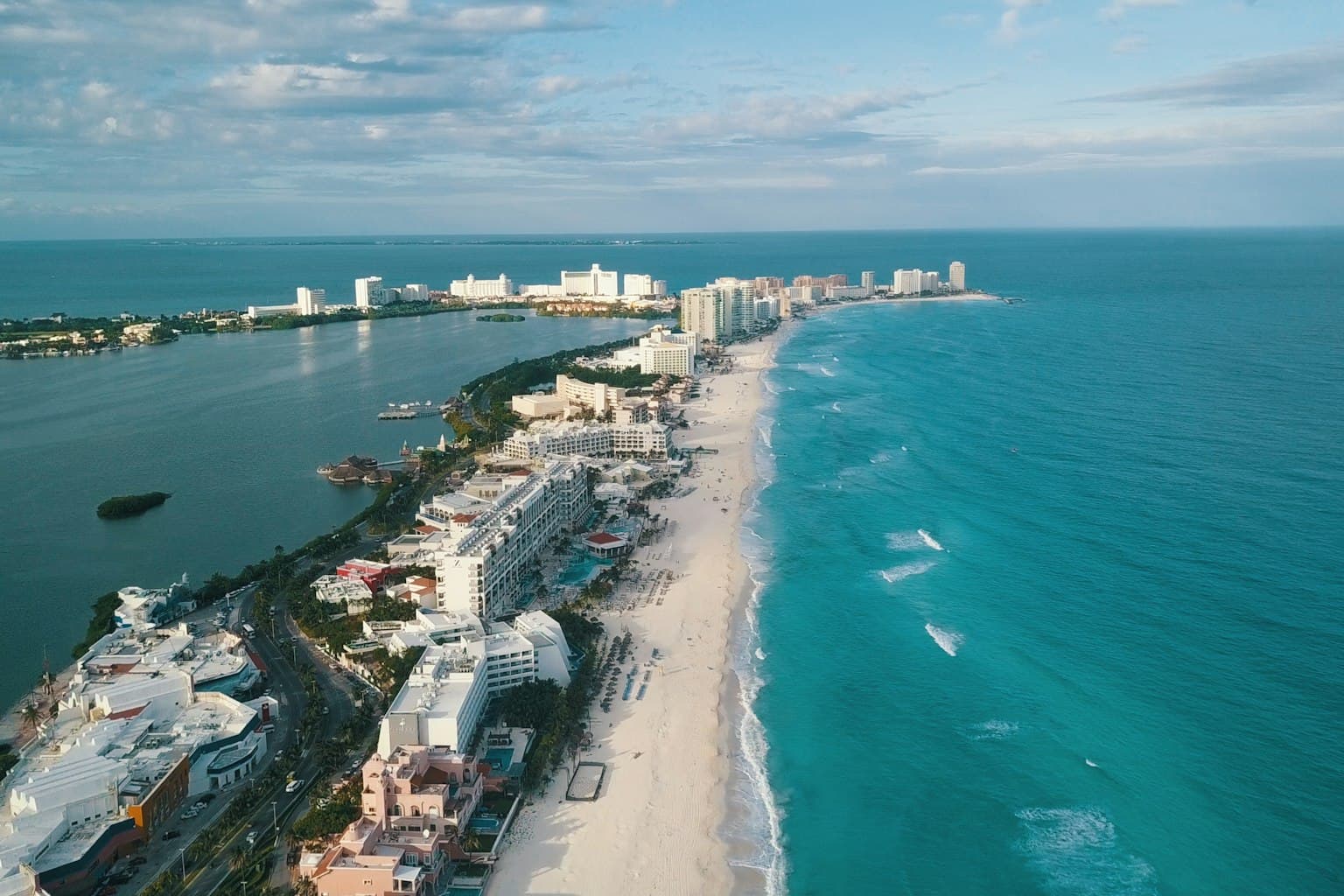
Cancún has a reputation problem. For most American travelers, it conjures a specific image: the hotel zone, the all-inclusive wristband, the swim-up bar, the spring-break energy. And that version exists, and for some people it's exactly right. But it's also a tiny fraction of what's actually there. The Yucatán Peninsula — the region Cancún sits at the top of — is one of the most culturally, ecologically, and historically rich areas in the Western Hemisphere. And most visitors never see any of it.
The best version of a Cancún trip starts with admitting that Cancún might not be the point.
Here's what happens when someone books "a Cancún trip" without thinking about what kind of traveler they are: they end up in a resort, eat decent buffet food, lie by the pool, maybe take a day trip to Chichén Itzá, and come home feeling like they went on vacation but didn't really go anywhere. It was fine. It just wasn't theirs.
Now consider the same trip if you started with who you are. A Nature Enthusiast would skip the hotel zone entirely and build three days around cenotes, biosphere reserves, and the underwater museum at Isla Mujeres. A Cultural Immersive would base in Valladolid or Mérida and spend their time in Maya communities, local markets, and hacienda ruins. Same flight. Completely different trip.
At Wayfound, we've identified 12 travel archetypes — patterns of curiosity, motivation, and instinct that shape what kind of trip actually feels right. The Yucatán is a perfect testing ground for this idea, because it has so much range: Caribbean beaches, ancient ruins, underground rivers, colonial cities, world-class food, and a living indigenous culture that's deeper than almost anything else in North America.
Below are five three-day itineraries using Cancún as your base (or starting point), each designed around a different travel archetype. Some stay near the coast. Some barely spend a night in the hotel zone. All of them are better than the generic version.
The Yucatán as a living ecosystem
The Nature Enthusiast travels to be immersed in a living world that doesn't need them. They want to be humbled by landscape, not entertained by it. The Yucatán, with its cenotes, mangroves, biosphere reserves, and one of the longest barrier reefs in the world, is a nature destination that rivals anything in the tropics — and most visitors never experience it because they never leave the pool.
Morning snorkeling at MUSA — the underwater sculpture museum off Isla Mujeres (glass-bottom boat for non-snorkelers). Afternoon at the Nichupté Lagoon kayaking through mangroves. Keep an eye out for crocodiles, manatees, and herons. Evening walk along Playa Delfines — the widest, most undeveloped beach in the hotel zone.
Full day at the Sian Ka'an Biosphere Reserve (UNESCO World Heritage Site, two hours south). Boat through the canal system built by the ancient Maya. Snorkel in the freshwater cenotes that feed into the reserve. Lunch with a local guide. This is the wildest landscape on the Yucatán coast and most tourists have never heard of it.
Morning at Cenote Suytun near Valladolid — a cathedral-sized underground pool with a single shaft of light. Then Cenote Samulá (swim inside a cave with roots hanging from the ceiling). Afternoon at the Ría Lagartos Biosphere Reserve — flamingo colonies, salt flats, and Mexico's most otherworldly coastal landscape. Evening back in Valladolid for dinner at a cenote-side restaurant.
The Yucatán that existed before the resorts
The Cultural Immersive wants to understand a place from the inside — the real version, not the packaged one. In the Yucatán, this means engaging with Maya culture (which is not ancient history — over a million people speak Yucatec Maya today), exploring colonial cities that predate the resort zone by centuries, and eating the food that locals actually eat. The Cultural Immersive's Cancún trip barely involves Cancún at all.
Drive to Valladolid (2 hours) — one of the best-preserved colonial cities in Mexico. Walk the calzada, visit the San Bernardino convent (built 1552, with a cenote in the courtyard). Lunch at Ix Cat Ik — a Maya-Yucatecan restaurant run by a local chef using ancestral techniques. Afternoon at the Cenote Zací, which sits in the middle of town. Evening strolling the plaza, eating marquesitas from a street cart.
Morning visiting a Maya community near Valladolid — some offer homestay meals and workshops in hammock-weaving or traditional embroidery. Midday at Ek' Balam — a Maya site less famous than Chichén Itzá but with a climbable pyramid and extraordinary stucco carvings. Lunch at a roadside lonchería. Afternoon exploring the backstreets of Valladolid. Evening at a mezcalería for local spirits and conversation.
Drive to Izamal (3 hours) — the "Yellow City," entirely painted in golden ochre. Visit the Franciscan convent built on top of a Maya pyramid. Walk the town. Lunch at Kinich, named after the Maya sun god. Afternoon at the Izamal archaeological zone — three unexcavated pyramids sit inside the town, half-buried, with houses built against their slopes. Return to Cancún or continue to Mérida.
The Yucatán as a proving ground
The Avid Adventurer travels for the physical challenge — the route that asks something of them, the experience that feels earned. They're not reckless, but they trust that the harder way in usually produces the better story. The Yucatán, with its cenote cave systems, jungle trails, open-ocean snorkeling, and ancient roads, is an adventure destination hiding inside a beach-vacation brand.
Morning deep-cenote diving or snorkeling at Cenote Dos Ojos (one of the world's most famous cave systems, connected to the longest underground river on earth). Afternoon zip-lining or rappelling into a cenote at Selvatica or Xenotes. Evening dinner in Puerto Morelos — a small fishing village between Cancún and Playa del Carmen that still feels real.
Full day at Coba — rent a bicycle and ride the ancient Maya sacbé (white road) through the jungle to the tallest climbable pyramid in the Yucatán. Swim in the nearby cenotes (Cenote Choo-Ha and Tamcach-Ha are stunning and uncrowded). Evening in Tulum town — not the resort strip, the actual town.
Morning kiteboarding or stand-up paddleboarding off Isla Blanca (north of Cancún, nearly deserted). Afternoon snorkeling the Mesoamerican Barrier Reef off Puerto Morelos or Isla Mujeres — swim with whale sharks (seasonal, June through September). Evening celebration dinner at a palapa restaurant on the beach.
The Yucatán as restoration
The Wellness Devotee treats travel as an act of care. They pay attention to pace, sleep, sensation, and whether the trip is actually restoring something that daily life depletes. They don't need luxury — they need intention. The Yucatán, with its cenotes (natural cold-water immersion), its temazcal (traditional sweat lodge) ceremonies, its yoga culture, and its warm, slow pace, is one of the best wellness destinations in the Western Hemisphere — especially if you step outside the resort spa.
Morning sunrise yoga on the beach (many hotels offer it, or book a private session). Late morning at a cenote — not for adventure, for restoration. Float in Cenote Ik Kil or Cenote Saamal, both naturally temperature-controlled. Afternoon: temazcal ceremony (a Maya-origin sweat lodge ritual available at several eco-hotels and retreat centers near Tulum and Playa del Carmen). Evening: early dinner at a farm-to-table restaurant, then sleep.
Morning at a spa that uses local ingredients — Chablé Maroma, Nizuc, or a smaller boutique spa near Puerto Morelos. Late morning walk on a quiet beach (Playa Delfines or Playa Marlín). Afternoon cacao ceremony or sound healing session at a holistic center near Tulum. Evening journaling at sunset, light dinner.
Morning paddleboard or kayak on the flat water of the Nichupté Lagoon — movement without impact. Afternoon visit to the Xcaret nature park (skip the shows, head for the underground rivers and the butterfly pavilion). Evening: cold plunge in a cenote, hot herbal tea, and an early night. The Yucatán's natural rhythm — warm mornings, hot afternoons, cool evenings — is its own kind of treatment.
The Yucatán at the table
The Bon Vivant builds a trip around taste — and Yucatecan cuisine is one of the most distinctive regional food traditions in the Americas. It's Maya, Spanish, Lebanese, and Caribbean, blended over centuries into something that exists nowhere else: cochinita pibil, papadzules, sopa de lima, poc chuc, panuchos. The Bon Vivant's Cancún trip is really a Yucatecan food trip, and the best of it is found far from the hotel zone buffets.
Morning at Mercado 28 in downtown Cancún — not the souvenir section, the food stalls in the back. Try salbutes, panuchos, and freshly made tortillas. Lunch at La Habichuela Sunset for upscale Yucatecan cuisine. Afternoon exploring downtown Cancún's taco scene — Tacos Rigo, El Polilla. Evening: mezcal tasting at a craft bar, then dinner at Puerto Madero for seafood on the lagoon.
Day trip to Valladolid for the food alone. Morning at the Mercado Municipal — buy longaniza (local sausage) and queso relleno from the vendors. Lunch at Ix Cat Ik for ancestral Maya cuisine. Afternoon at a chocolate workshop or a honey farm (Yucatecan stingless-bee honey is extraordinary). Evening back near the coast: dinner at Hartwood in Tulum (wood-fired, market-driven, no electricity — book ahead).
Morning: cooking class in Yucatecan cuisine — several in the Cancún area teach cochinita pibil, including pit-roasting the pork underground. Lunch at your own creation. Afternoon: cervecería tour in Playa del Carmen or mezcal at Gitano. Evening: splurge dinner at Benazuza (molecular Yucatecan) or a simple cevichería on the Malecón in Puerto Morelos.
Closing note
Five completely different trips, all leaving from the same airport. The Nature Enthusiast barely touched the hotel zone. The Cultural Immersive spent most of three days in a colonial city two hours inland. The Bon Vivant ate their way through a culinary tradition most Cancún visitors never encounter. That's the point: the Yucatán is so much bigger than its brand, and the best trip you can take there starts with knowing what kind of traveler you are. If you're not sure, take the quiz — then come back and plan accordingly.
Which traveler type are you?
Take the Wayfound quiz to discover your archetype, then come back and read the Cancún itinerary that fits you best.